
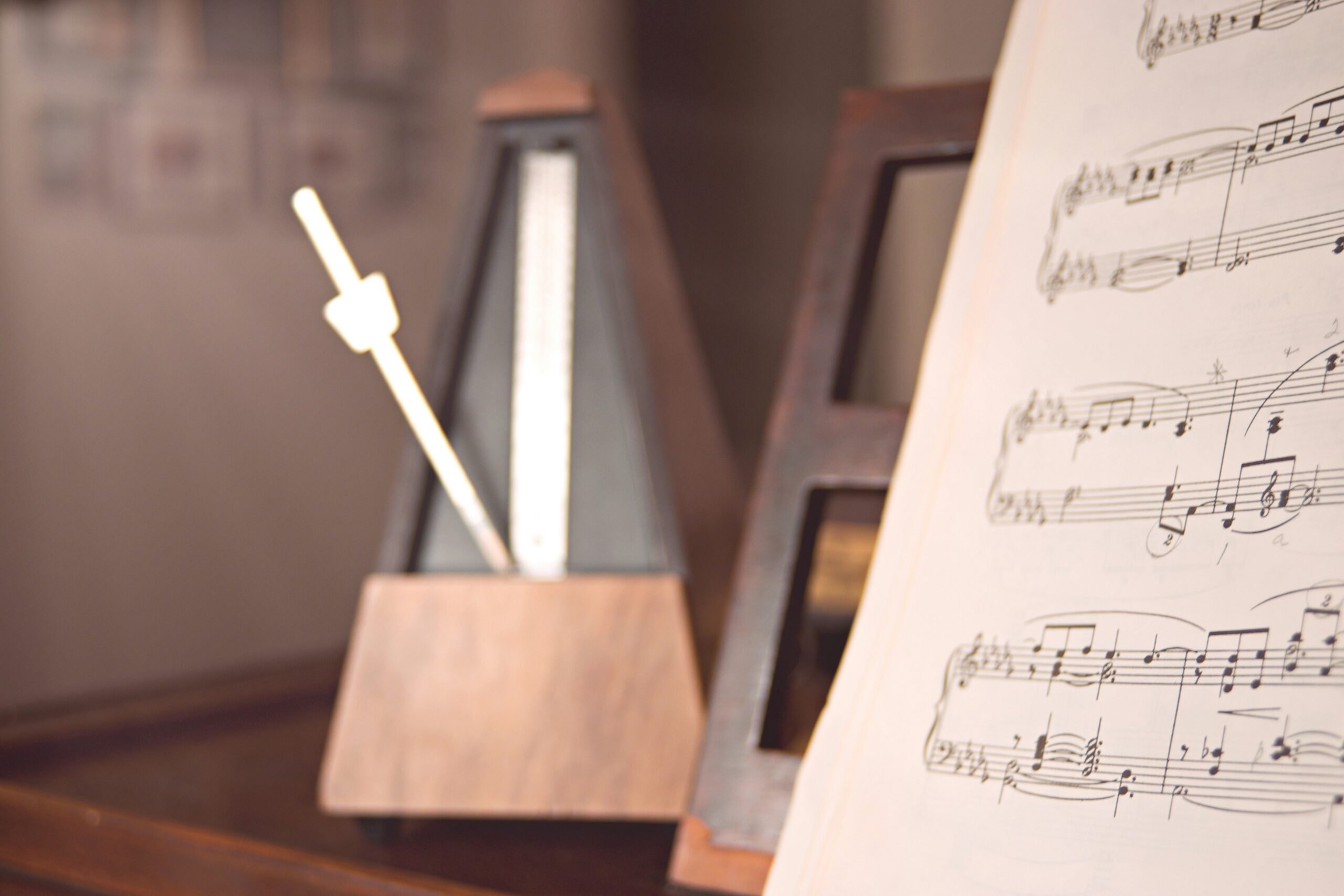
If you’ve ever sat at the piano and thought, “What now?”, you’re not alone. Unstructured practice can feel aimless and often leads to slow progress or even burnout. That’s where a structured piano practice routine can make all the difference. With just a little planning, you can turn your practice time into focused, productive sessions that actually move the needle on your playing.
Here are 7 proven steps, backed by music educators and cognitive research, to help you structure the perfect piano practice session.
1. Warm Up With Intent
Start with five to ten minutes of warm-ups. This can be as simple as major scales, arpeggios, or Hanon exercises. A recent 2024 study published in Frontiers in Psychology found that daily warm-up routines improve both physical performance and mental preparedness in musicians. Don’t just go through the motions. Focus on accuracy, evenness, and relaxation.

2. Set Clear Goals for the Session
Before diving into your pieces, take one minute to set two or three specific goals. Maybe you want to improve rhythm in one section, or memorize eight bars hands together. According to music psychologist Dr. Gary McPherson, goal setting increases motivation and accelerates progress.
3. Work on Technique Early
Once you’re warmed up and focused, tackle the most technical or demanding parts of your repertoire. These require the most mental and physical energy, so it’s smart to hit them early. Whether it’s a Chopin etude or a tricky left-hand passage in your jazz piece, give it your full focus now. Not at the end when you’re mentally fried.
4. Zoom In on Problem Areas
Practicing the whole piece top-to-bottom every time is tempting, but it’s inefficient. Instead, isolate the hard parts and loop them slowly. According to The Bulletproof Musician, slow, mindful repetition is the most effective way to build accuracy and muscle memory.

5. Take a Short Break
Yes, even a 5-minute break can supercharge your session. A 2021 study from NIH found that short breaks during focused work actually boost retention and performance. Walk around, stretch, or grab water—your brain (and fingers) will thank you. For a deeper dive into why breaks matter and how to use them effectively, check out my full article on the power of taking breaks.
6. Run the Whole Piece (or Section)
Now’s the time to test your progress. Play through a section or the whole piece, but with a mindset of performing, not practicing. This builds confidence, helps you spot weak spots, and reinforces musical flow.
7. End with Something Fun or Familiar
Cool down by playing something you love. It could be an old favorite, a simple improv, or even just some chords you enjoy. This creates positive associations with practicing and leaves you feeling accomplished. It’s a trick many concert pianists use to keep motivation high for the long haul.
Final Thoughts
A structured piano practice session doesn’t have to be complicated. In fact, just following these seven steps can help you stay consistent, improve faster, and enjoy the process more.
The key is balance: some focused technical work, some mental breaks, and a little joy at the end.
Need help staying on track? Try writing your 7-step structure on a sticky note and keeping it on your piano. You might be surprised how much more productive your next session feels.
Looking for more ways to get better at piano? Explore more guides, tutorials, and tips on the Piano Mastery Guide Blog.
Frequently Asked Questions
What is a structured piano practice routine?
A structured routine breaks your practice time into focused, intentional segments—like warm-ups, technical work, and breaks—to improve results faster.
How long should I practice piano each day?
Most students benefit from 30–60 minutes of daily practice, broken into shorter, focused segments.