
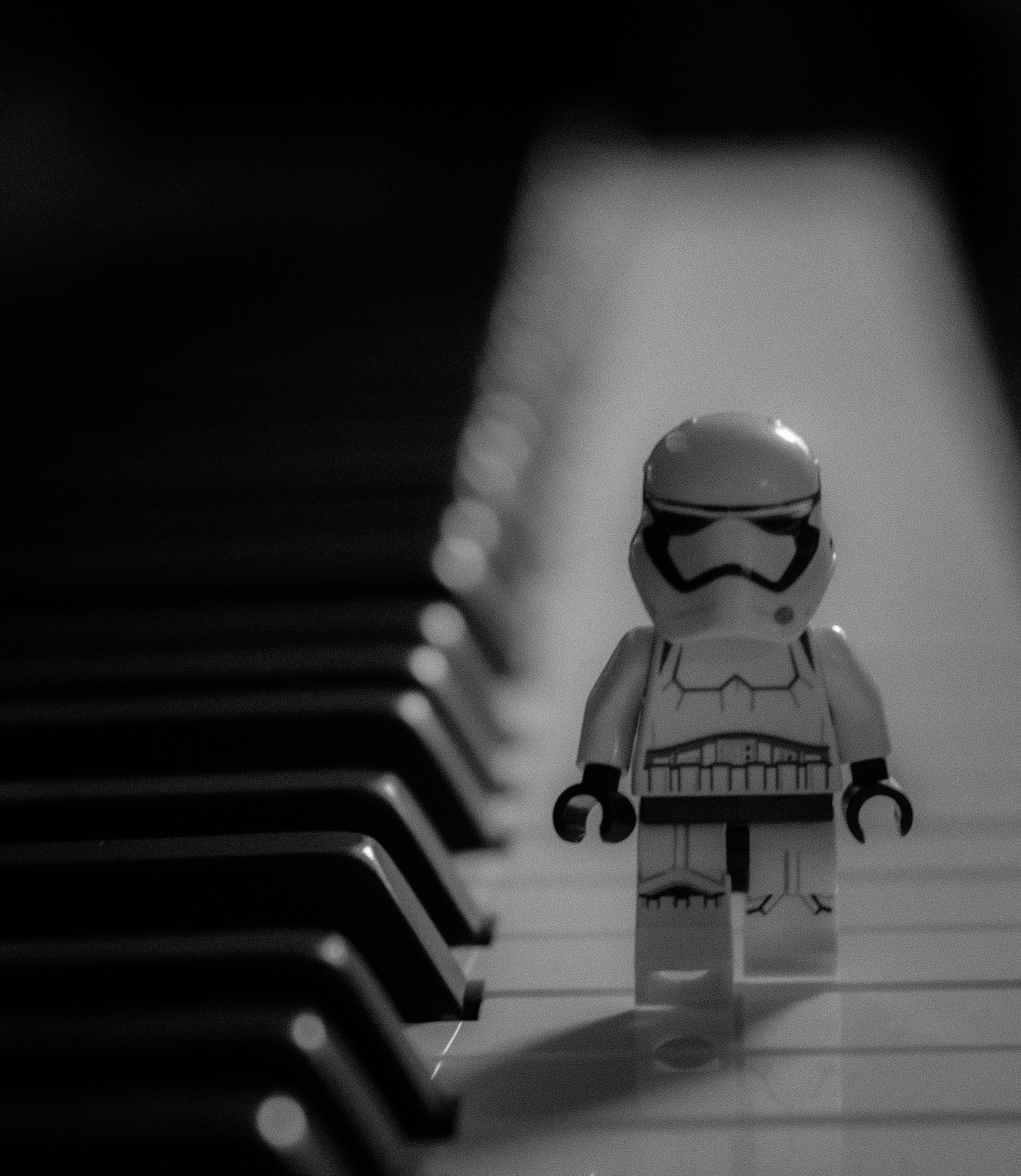
Photo by Simon Cheung
Why Smart Pianists Know When to Pause.
Every pianist, from curious beginners to seasoned performers, knows the importance of consistent, focused practice. But there’s one underrated technique that could seriously level up your progress: piano practice breaks.
That’s right — strategic rest during your practice sessions can be the difference between frustrating plateaus and real breakthroughs.
Why Piano Practice Breaks Matter
Practicing the piano isn’t just about repetition. It’s a physical and mental workout, and like any form of training, it needs balance. Pushing through fatigue may feel productive, but it often leads to diminished returns — less focus, more mistakes, and poor technique.
Adding short piano practice breaks helps maintain energy, boost focus, and protect your hands and wrists from overuse.
What Happens When You Don’t Take Breaks?
Skipping breaks can lead to:
- Mental burnout
- Physical tension or even injury
- Decreased motivation
- Bad habits from playing while tired
You may be tempted to “power through,” but over time, this can hold back your progress — or worse, lead to repetitive strain injuries that take weeks or months to recover from.
5 Benefits of Piano Practice Breaks
1. Improve Focus and Efficiency
Research shows your brain stays in deep focus for only about 25–30 minutes. Practicing without pausing leads to mental fatigue. Short breaks let you return to the keys refreshed and sharper, making each session more productive.
2. Prevent Injury and Strain
Research recommends taking hands-off breaks every 20–30 minutes during piano practice to prevent tension buildup. (Source) Stretching and resting between segments keeps your hands, wrists, and shoulders healthy.
3. Boost Memory Retention
Studies in music education and neuroscience support distributed practice — breaking learning into smaller chunks with pauses in between. The Frances Clark Center for Keyboard Pedagogy emphasizes that breaks help consolidate learning, leading to better memory and musical growth. (Source)
4. Increase Creativity
Ever walk away from a difficult piece only to return later and nail it? That’s your subconscious working in the background. Taking a break allows your brain to process difficult passages and return with new insight.
5. Stay Motivated
Breaking up your session makes practice feel less overwhelming. This is especially helpful for beginners or students who struggle with focus or stamina. Small wins between breaks make it easier to stay consistent.
How to Structure Piano Practice Breaks
Here’s how to make breaks work for you — not against you:
- ⏱️ Take 5-minute breaks every 25–30 minutes
- Use a timer or the Pomodoro Technique.
- 🧘♂️ Move during your breaks
- Walk around, stretch, or do a few shoulder rolls.
- 😌 Clear your mind
- Avoid phones or screens. Try deep breathing or simply sitting quietly.
- 💧 Stay hydrated
- Drinking water helps refresh your brain and body.
- 📓 Reflect briefly
- During a break, jot down what’s working or what needs more focus.
Extra Tip: Break Placement Matters
Don’t just pause at random. Use breaks as a tool:
- After mastering a section, take a pause to cement the win.
- If you feel tension or frustration rising, take a reset break before mistakes turn into bad habits.
- Before jumping into something difficult, take a breath and mentally prepare.
Final Thoughts: Practice Smarter, Not Just Longer
If your practice sessions feel exhausting, unfocused, or frustrating, it might be time to slow down to speed up. Incorporating well-timed piano practice breaks helps you absorb material more efficiently, avoid injury, and enjoy the journey of becoming a better pianist.
Breaks aren’t a sign of laziness — they’re a tool of smart, strategic musicians.